Bilt Rewards
- 4.6
- Rating
- 500.00K
- Installs
- Free
- Price

 Analysis by App-foxy
Paying rent is one of those regular expenses that can feel frustrating because it is often the largest payment in the household budget, yet it usually produces no reward at all. I approached Bilt Rewards with that exact problem in mind: could a finance app make rent feel more useful without turning a simple monthly payment into a complicated project? My overall impression is positive, but it depends heavily on how your rent is paid and whether you are willing to follow the app’s payment flow carefully.
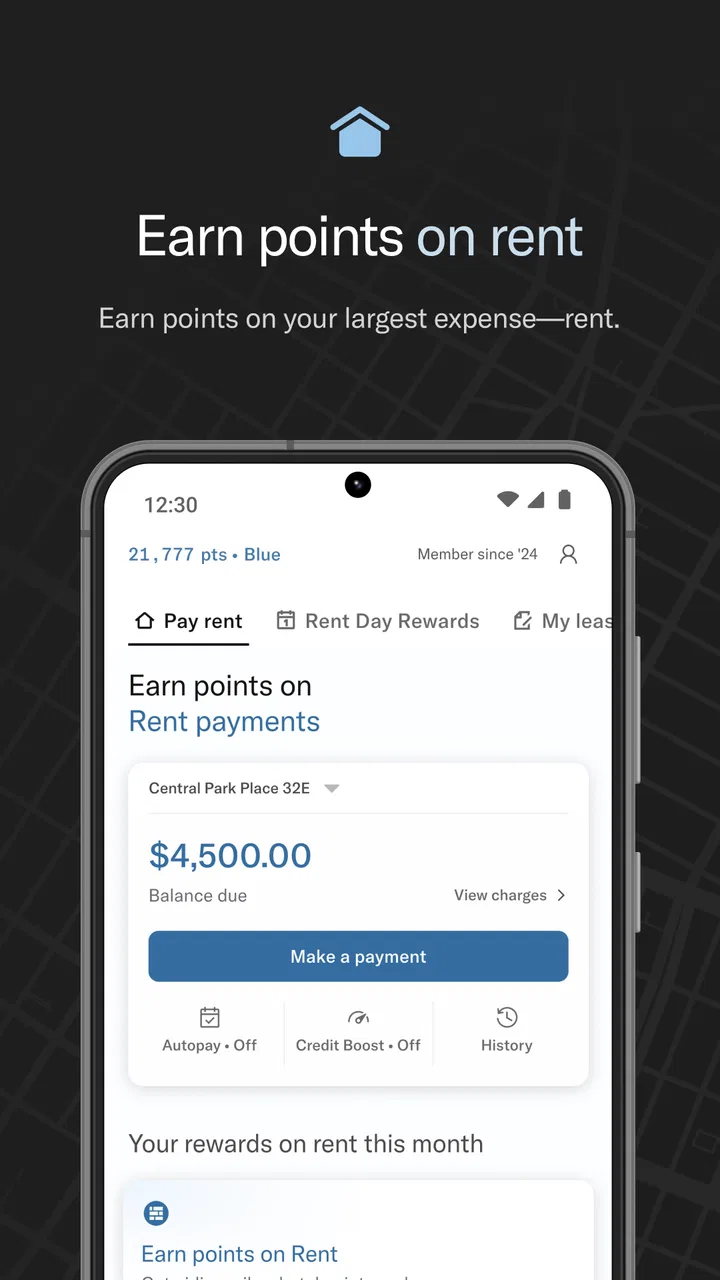
Bilt Rewards is a free finance app from Bilt Technology, Inc. It is built around earning points from rent, with additional rewards activity connected to the wider Bilt program. The central idea is easy to understand, but the practical experience is less about browsing an app and more about coordinating a recurring payment, checking whether the transaction has been recognized, and then deciding what to do with the points afterward.
The app has a 4.6 average from around 41 thousand ratings and has passed 500 thousand installs. Those figures suggest that the concept has found a real audience, although popularity alone does not remove the need to check whether it fits your own rental arrangement. I would especially recommend treating it as a payment workflow rather than as a general budgeting tool.
You May Also Like

 Blood Strike: 2.5 Anniversary
Blood Strike’s Loadouts Turn Every Drop Into a Tactical Gamble
A close look at Blood Strike’s custom loadouts: how fast access to signature weapons reshapes its battle royale rhythm, rewards preparation, and narrows the gap between fights.

 Pandora - Music & Podcasts
Pandora’s Music Is Easy to Start, but Harder to Recover
Pandora’s strength is its low-effort path from a seed to a station. Its weak spot is how much confidence it asks you to place in connection, setup, and quiet recovery.

 8 Ball Pool
 Is Built on Rivalries, Rematches, and Routine
A close look at the rivalries, rematches, shared routines, and unanswered safety questions that turn a quick pool match into a persistent mobile community.

 Samsung Music
’s Quiet Strength Is Playing What You Already Own
Its reach comes less from spectacle than from dependable access to a personal library. That simplicity is both the app’s strongest retention engine and its ceiling.

 AccuWeather: Weather Radar
AccuWeather Review: A Quick, Clear Forecast for Everyday Decisions
For everyday plans, the best forecast is the one you can understand quickly. AccuWeather makes rain timing, radar, and local conditions easy to act on, with a few trade-offs.

 Hill Climb Racing
Why Hill Climb Racing Still Turns Crashes Into One More Run
A tiny car, a bumpy hill and one more upgrade: Hill Climb Racing keeps resurfacing because its simple chaos makes every near-miss feel personal.
More From Our News Desk



From monthly rent to usable rewards
I look at Bilt Rewards as a bridge between a rent payment you already make and rewards you can put to use later. In this section, I’ll focus on the practical steps that make that bridge worthwhile: checking the payment route, keeping rent records, and treating points as a bonus rather than a reason to risk a reliable routine. That leads naturally to the handoffs that shape the experience.
The starting condition: a large payment with no return
The best reason to try Bilt Rewards is straightforward: you already pay rent every month and want that unavoidable expense to do more for you. If your rent is handled through a method that the app can work with, the potential value is much more interesting than earning points on occasional shopping. Rent is predictable, so the habit can become part of your normal monthly routine rather than another rewards scheme you have to remember only when you are making a purchase.
That said, I would not begin by assuming that every rent payment works identically. The important question is not simply whether you rent an apartment. It is how the money moves from you to the property owner or management company. A resident using an organized online payment portal may have a different setup experience from someone who sends a bank transfer, writes a check, or pays through a landlord who prefers an informal arrangement.
Before relying on the points, I would map out the complete payment path. Identify who receives the money, which account normally funds the payment, what date the payment must arrive, and whether your landlord or property manager accepts the payment method associated with the app. This small preparation matters because a rewards benefit is never worth a late rent payment or a failed transaction.
The app is rated for Everyone, so its presentation is accessible rather than aimed at financial professionals. Its current version is 4.132.3, and it supports devices running at least Android 7.1. For most people, the more important compatibility question is not the operating system; it is whether the app’s payment process fits the rental arrangement already in place.
Step one: set up the account around your real payment habits
Once I opened the app, I found that the useful setup is the information connected to rent, not merely the profile itself. You want the account to reflect the way you actually pay. If you normally move money from a particular bank account, use that account consistently enough that your monthly routine remains easy to recognize. If your property manager has specific instructions, keep them nearby while setting things up instead of relying on memory.
My practical advice is to do the first setup well before rent is due. That gives you time to notice an incorrect payment detail, an unfamiliar screen, or a step that requires information from your landlord. Trying to configure a rewards payment on the same day rent is due creates unnecessary pressure and makes it harder to tell whether a problem belongs to the app, your bank, or the property’s payment system.
I also recommend separating “earning points” from “moving money.” The first is the motivation; the second is the responsibility. When I think about the app this way, the decision becomes clearer. I would never change a safe, reliable rent routine solely to chase a reward unless I had first confirmed that the replacement process was equally dependable and understandable.
Step two: make the rent payment without losing sight of the deadline
The monthly payment is where the app’s promise becomes real. The smoothest experience is likely to be the one where the payment method, recipient details, and timing are already settled. Instead of opening the app in a hurry, I would use a repeatable checklist: confirm the amount, confirm the recipient, confirm the funding source, and confirm the arrival date required by the property manager.
This is also where a calendar reminder becomes more valuable than relying on the rewards app alone. A reminder a few days before the deadline gives you room to review the transaction and deal with a bank delay or an issue with the landlord’s portal. The app can be part of the process, but it should not be your only memory system for a payment that affects your housing.
For someone who pays a fixed amount to a professional property manager, the workflow may feel reasonably structured. For someone whose rent changes because of utilities, shared expenses, or a roommate arrangement, the monthly review becomes more important. I would check the exact amount every time rather than treating the previous payment as a template.
A useful habit is to save evidence of the completed payment in whatever normal way you already use for financial records. That is not because I expect a problem every month; it is because rewards transactions and rent transactions serve different purposes. Your landlord needs proof that rent was paid, while the app needs to recognize the eligible activity. Keeping those records separate makes troubleshooting much less confusing.
Step three: check the handoff between payment and points
The most important handoff is the moment when a rent payment becomes rewards activity. I would not judge the app only by whether the payment left my account. I would also check that the transaction appears correctly in the rewards area and that the points balance reflects the expected activity. This second check is easy to skip, especially when the rent payment itself seems to have gone through.
That distinction is one of the less obvious lessons of using a rent rewards app: a successful bank payment is not automatically the same thing as a successfully recorded reward. If something looks wrong, I would first compare the payment date, amount, and recipient details with the transaction shown in the app. Then I would review any instructions attached to the payment flow before contacting support or the property manager.
I would also avoid changing several parts of the setup at once. If you switch the funding account, alter the payment route, and update your property information in the same month, it becomes difficult to identify what caused a missing or delayed reward. Change one element, monitor the result, and keep a simple note of what you changed. That is especially helpful for people who share rent with roommates or manage several recurring bills.
The handoffs that determine whether the experience feels easy
Bilt Rewards sits between several parties: you, your bank, the recipient of the rent, and the rewards account. Each handoff can introduce friction. Your bank controls whether funds are available and released. The property manager controls how the payment is accepted and recorded. The app controls how the eligible activity is displayed and converted into points. A problem at any one of these stages can make the overall experience feel less reliable than the app itself.
This is why I would explain the process to a roommate before using it for a shared household. Decide who is responsible for initiating the payment, who checks that it arrived, and who keeps the confirmation. If one person assumes the other handled the monthly step, the rewards goal can accidentally create a gap in the basic rent process.
The same applies to couples or families. The person who wants the points may not be the person who normally pays the rent. In that situation, the app is only convenient if both people agree on the workflow. Otherwise, the reward belongs to one person while the payment responsibility remains unclear, which is a poor trade-off for a household bill.
Another handoff occurs after points are earned. A points balance is not the same as immediate savings in your bank account. You still need to decide how to use the rewards and whether that use matches your priorities. Someone who travels or values program-specific benefits may see more appeal than someone who wants a simple cash discount on every bill.
A realistic monthly scenario
Imagine a renter whose payment is due near the start of each month. A few days before the deadline, I would open the app, verify the current rent amount, and confirm that the intended payment route is still correct. After submitting the payment, I would save the confirmation and later check the rewards activity rather than assuming that everything matched automatically.
If the points appear as expected, the monthly task is finished: rent has been paid, the record is stored, and the reward can remain available for a later decision. If the points do not appear, I would avoid sending another payment immediately. First I would verify whether the original rent actually arrived, because duplicating a housing payment while trying to repair a rewards issue could create a much larger problem.
This scenario shows the app’s real strength. It can attach a reward to a payment you were already going to make. It also shows the real responsibility it creates: you must pay attention to the transaction’s status instead of treating the app as a passive points counter.
What the result feels like after the routine is established
When the process works, the result is satisfying because the reward comes from a major recurring expense rather than from adding more purchases to your life. I like that the app encourages a different way of thinking about rent: not as discretionary spending, but as a payment whose existing scale may make a rewards program worthwhile.
The value is strongest for renters who stay in the same home long enough to establish a routine, pay reliably, and are comfortable checking their account after each monthly transaction. It can also appeal to people who already use rewards programs thoughtfully and understand that points are most useful when connected to a clear goal.
However, I would not describe the result as effortless money. The reward is tied to disciplined payment behavior, accurate account details, and a willingness to understand the redemption side. If you do not care about points, or if your rent setup is already difficult to manage, the benefit may not justify the extra attention.
How it compares with ordinary alternatives
The usual alternative is simply paying rent through the method your landlord already prefers. That option often wins on familiarity and fewer moving parts. If your current process is automatic, dependable, and easy to document, changing it introduces a cost in time and attention even if the new method offers rewards.
Another alternative is using a general rewards credit card or bank product for eligible expenses. That can be simpler for everyday purchases, but rent is often treated differently from normal retail spending, and fees or payment restrictions can change the calculation. Bilt Rewards is more focused on the rent problem, which is its main advantage, but that focus also means it is less useful if rent is not your largest or most manageable recurring expense.
Cash-back tools are easier to understand for people who want a direct reduction in their spending. Bilt’s points approach may be more appealing to someone who has a specific use for points, but it requires more attention to the program and its redemption choices. My preference would be to choose the system that matches the way I actually spend rewards, not the one with the most attractive headline.
Where the flow breaks down
The biggest weakness is potential complexity around payment compatibility. A renter may understand the rewards promise but still face a less convenient setup because the landlord, property manager, bank, or existing portal does not fit neatly into the intended flow. That does not make the app useless, but it means the experience can vary significantly from one home to another.
There is also a psychological trap: points can make a payment feel more exciting than it really is. Rent remains a large financial commitment. I would never let the possibility of rewards encourage borrowing, late payments, or a payment method that creates fees I have not fully understood. The correct order is housing security first, rewards second.
People who move frequently may also find the setup less attractive. Every change of address or property arrangement can require renewed attention, and the value of a long-term monthly habit is harder to capture when the rental situation changes often. Likewise, someone who pays rent informally through several people may spend more time coordinating than earning enough value to make the process worthwhile.
Finally, the app is not the right choice for a person who wants a complete household budget, debt-management system, or investment dashboard. Its identity is centered on rent rewards. I would pair it with a proper budgeting method if I needed broader financial planning, rather than expecting one rewards-focused app to handle every part of my money.
Who should try it, and who should skip it
I think Bilt Rewards is worth trying for a renter with a stable monthly payment, a clear payment arrangement, and genuine interest in turning rent into points. It is particularly suitable for someone who already checks financial transactions regularly and can build the app into a calm, repeatable routine.
I would be more cautious if rent is paid through a complicated roommate chain, if the payment amount changes often, or if the landlord requires a method that is difficult to reconcile with the app. In those cases, I would first test the process without depending on it for a deadline-sensitive payment. If the workflow feels confusing during setup, the ordinary payment method may be the better choice.
The app is free, which lowers the barrier to testing it, but “free” does not mean the process has no cost. Your time, attention, and possible payment complications are part of the decision. I would compare those practical costs with the value I expect to get from the points, rather than signing up simply because there is no download price.
My final take after following the full workflow
Bilt Rewards makes the most sense when viewed from input to outcome: start with a rent payment you already need to make, route it carefully, verify the handoff, and then use the resulting points with a plan. That complete workflow is more important than the app’s attractive central idea because the reward only matters when the rent remains accurate, on time, and properly documented.
I like the concept and the focus. The developer has built a finance app around a recurring expense that many other rewards tools treat as an awkward exception. In my experience, that makes the app more relevant than a generic points program for the right renter. The trade-off is that it demands more awareness than a completely ordinary rent payment.
Released on May 11, 2021, and now at version 4.132.3, it has had time to become an established option rather than a brand-new experiment. I would recommend it to a careful renter who wants rewards and is prepared to verify each monthly handoff. I would skip it if the existing rent process is already fragile, if I need simple cash back above all else, or if I am unwilling to monitor the payment beyond pressing a button.
My bottom line: Bilt Rewards can turn a routine rent payment into a more rewarding financial habit, but only when the payment workflow is compatible, documented, and dependable. Start with the mechanics, not the points. If the mechanics fit your home, the rewards become a useful bonus; if they do not, keeping rent simple is the smarter financial decision.
FAQs for Bilt Rewards
01What is Bilt Rewards, and how does it work?
Bilt Rewards is a unique loyalty program that allows users to earn points on rent payments made through the app, without any transaction fees. These points can be redeemed for travel, fitness classes, and other lifestyle perks. Users simply link their payment method, and the app handles the rest, making rent payments a rewarding experience.
02Is Bilt Rewards free to use, and are there any hidden fees?
Yes, Bilt Rewards is free to use. There are no hidden fees associated with the app, and users can earn points on rent without incurring additional charges. The program is designed to maximize rewards without any extra cost, making it a financially savvy choice for renters.
03What kind of rewards can I redeem with Bilt points?
With Bilt points, users can redeem a variety of rewards including airline miles, hotel stays, fitness classes, and even home decor items. The app partners with numerous brands and services, allowing users to choose rewards that best fit their lifestyle and preferences, offering a tailored rewarding experience.
04Is my personal information secure with Bilt Rewards?
Bilt Rewards prioritizes user security and employs advanced encryption protocols to protect personal and payment data. The app adheres to industry standards for data protection, ensuring user information remains confidential and secure. Users can confidently use the app knowing their data is well-protected.
05Can I use Bilt Rewards if my landlord doesn’t accept online payments?
Yes, Bilt Rewards offers a solution for tenants whose landlords do not accept online payments. The app can send a physical check to landlords, allowing users to still earn rewards on their rent payments. This flexibility ensures that all renters have the opportunity to benefit from the program.
Pros
- Earn rewards for rent payments.
- No annual fee for the credit card.
- Points can be transferred to airlines.
- Access to Bilt travel portal.
- Monthly rent reporting to credit bureaus.
Cons
- Limited to specific property partners.
- Requires credit check for card.
- Not all features available on Android.
- Points expire after 12 months of inactivity.
- App can be slow at times.

Bilt Rewards
Gallery